Skip to content

Timeline

The history of Castelo de Vide

Nine eras, from around 5000 BC to the present. Every one of them leaves something to visit, or streets still lived in.

This timeline is deliberately flat: no era is presented as the high point of the town's history. Megalithic prehistory, the Roman city of Ammaia, the medieval castle, the Jewish quarter, the Restoration fortifications, the religious heritage, the 20th-century spa cycle, and the town of today are peers.

Move through the markers below, or read the sequence from top to bottom.

Share
  1. 01

    from ~5000 BC

    Prehistory & Megaliths

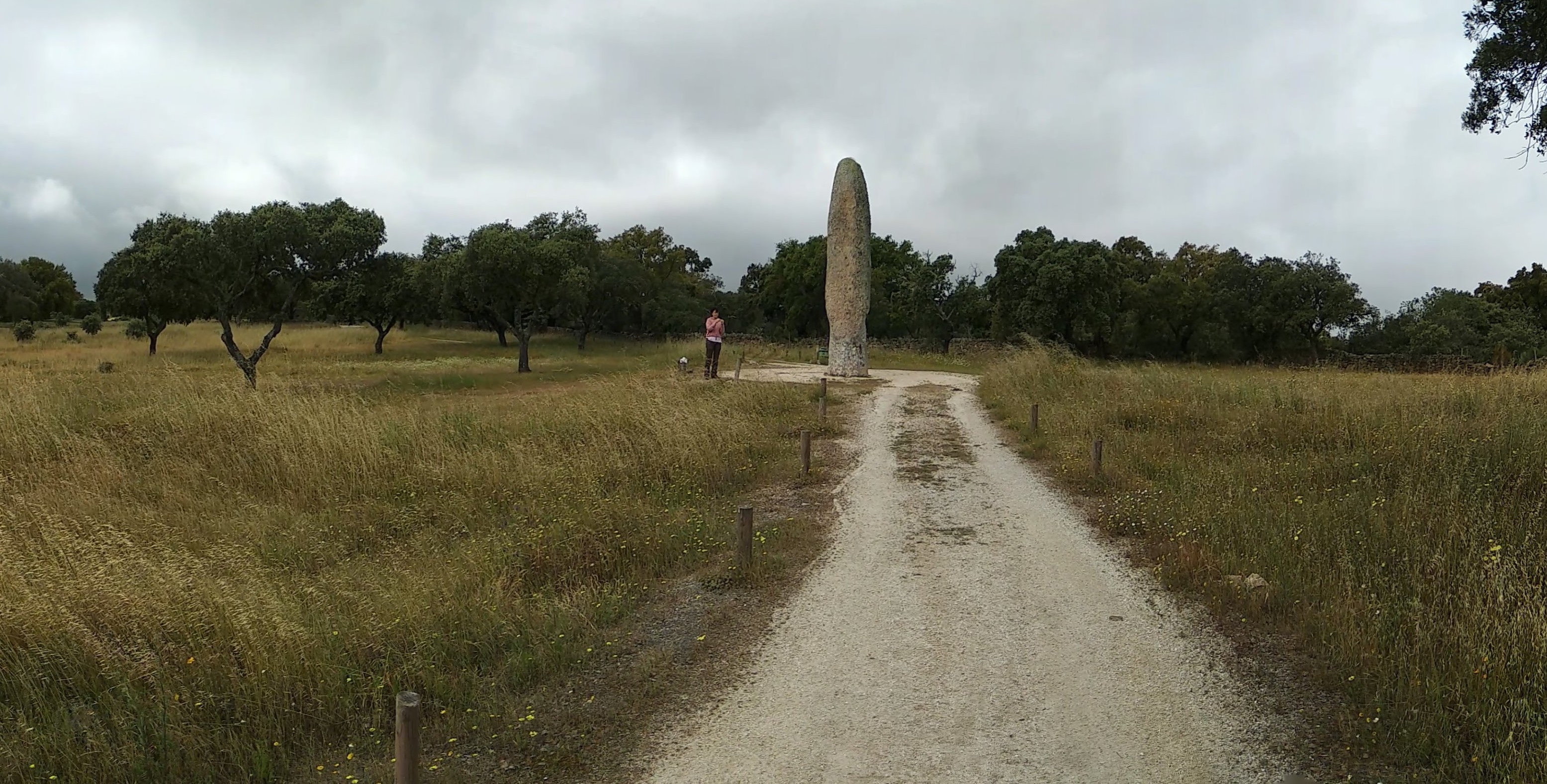
    The Menir da Meada, near Castelo de Vide, surrounded by cork oak woodland
    Photo: DobroideCC BY-SA 4.0 — Wikimedia Commons

    The Menir da Meada is the largest fully human-carved menhir in the Iberian Peninsula — and, by radiocarbon dating, the oldest precisely dated standing stone in the world.

    Just outside Castelo de Vide stands the Menir da Meada, the largest fully human-carved menhir in the Iberian Peninsula. Radiocarbon dating places its erection between 4810 and 5010 BC, making it the oldest precisely dated standing stone in the world — nearly two thousand years before the great dolmens.

    The menhir does not stand alone. It belongs to a megalithic cluster spread along the Sever river, a landscape of dolmens and standing stones that speaks of a long, organised human presence.

    Other sites in the cluster include the Anta dos Coureleiros and the Dólmen da Melriça, both part of open-air visiting routes today.

    Visitable today

    • The open-air megalithic monuments, freely visitable in the landscape.
    • The Megalithic Interpretation Centre, housed in a former spice store inside the castle.
    Open era page
  2. 02

    1st c. BC – 6th c. AD

    Romanization — Ammaia

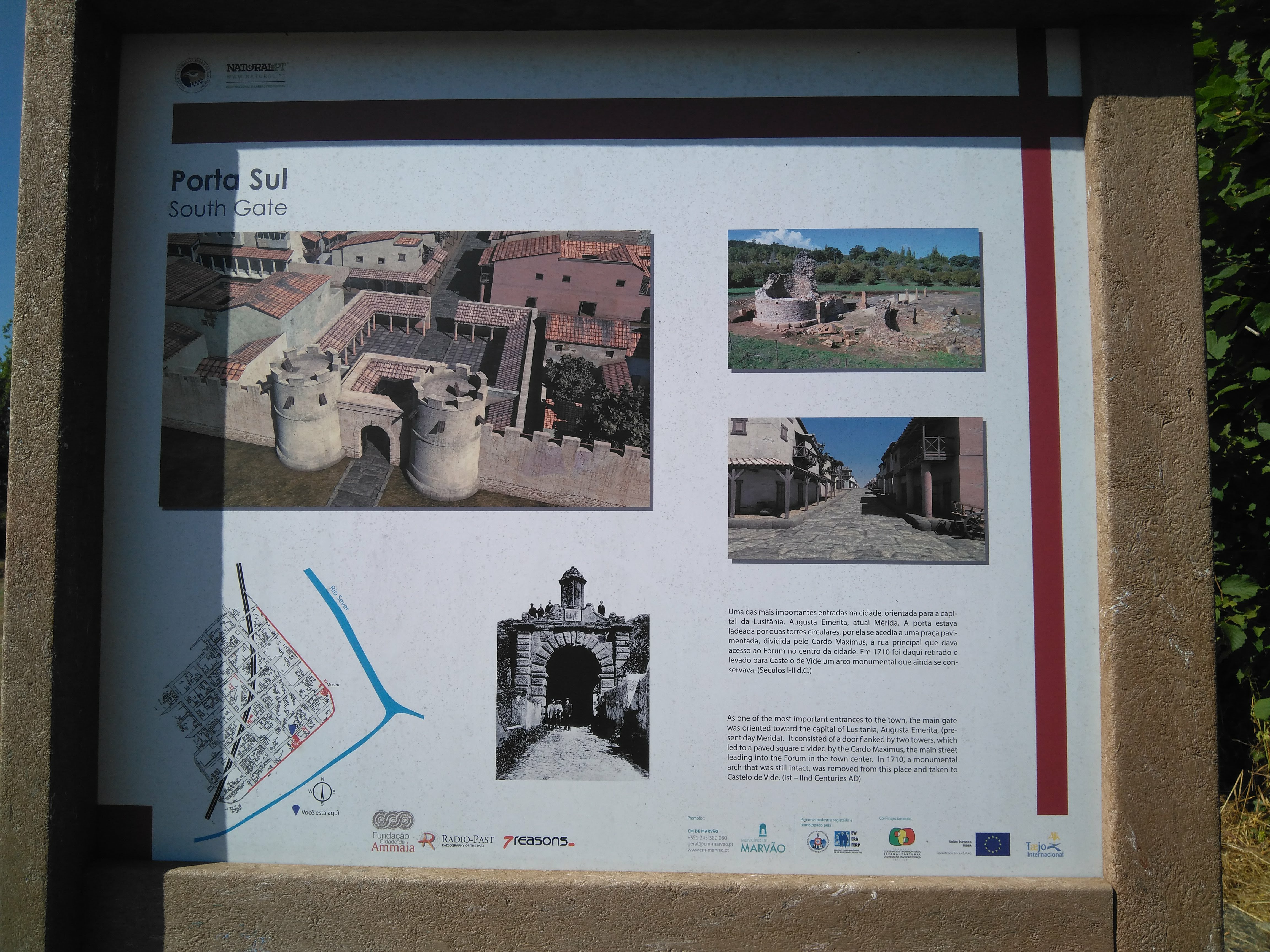
    Reconstruction of the Porta Sul gate at the Roman city of Ammaia
    Photo: MentxuwikiCC BY-SA 4.0 — Wikimedia Commons

    The Roman city of Ammaia, founded around the turn of the millennium, sits just outside Castelo de Vide inside the Serra de São Mamede Natural Park.

    The Roman city of Ammaia was founded around the turn of the millennium, a short distance from Castelo de Vide and today inside the Serra de São Mamede Natural Park.

    Excavated remains include the Porta Sul gate, the forum, the forum baths, and — very likely — a theatre and an amphitheatre. A complete city, with its own urban equipment.

    Ammaia remained occupied until the mid-6th century, then was abandoned as more defensible hilltop settlements, such as nearby Marvão, took over the territory.

    Roman roads linked Ammaia to Cáceres, Évora, and Aritio Vetus, placing this territory on a long-distance network.

    Visitable today

    • The excavated archaeological site, inside the Serra de São Mamede Natural Park.
    • The Ammaia interpretation centre, holding finds from the excavations.
    Open era page
  3. 03

    6th – 12th c.

    Late Antiquity to the Reconquista

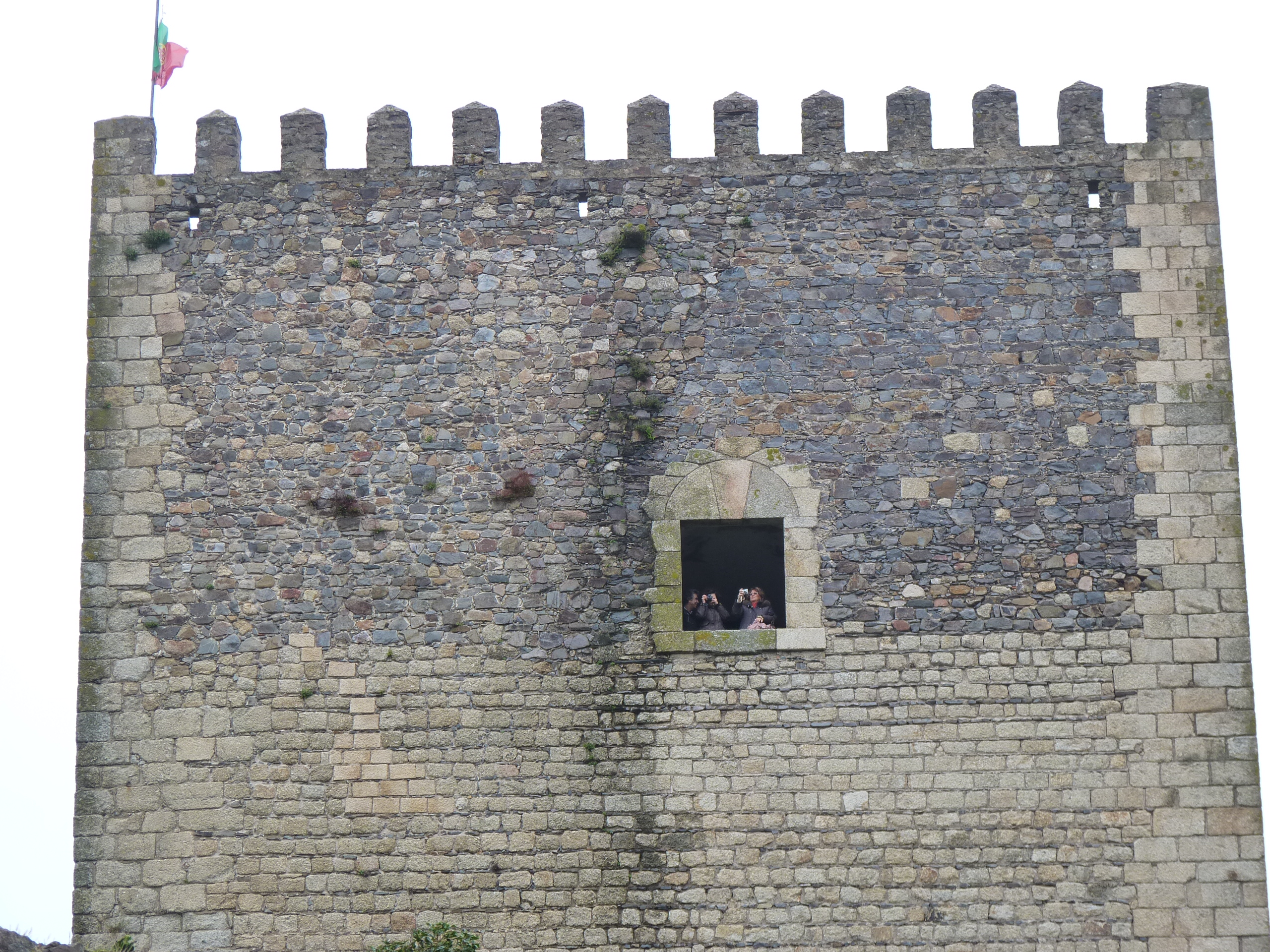
    Detail of the stonework of Castelo de Vide's castle
    Photo: F nandoCC BY-SA 3.0 — Wikimedia Commons

    Between the Roman withdrawal and the Christian Reconquista lies a documentary gap — yet recent archaeology shows early medieval occupation of the territory.

    Between the Roman withdrawal and the Christian Reconquista lies a documentary gap: no continuous written record of these centuries survives. Recent archaeology, however, shows early medieval occupation of the territory.

    The name “Vide” itself is of uncertain origin — possibly from the vides (grapevines) that grew on the site, or from its position on the border, a territory that divides.

    The territory was retaken from Muslim rule in 1148.

    Visitable today

    • The underlying urban site the later castle was built upon — still an active subject of archaeological research.
    Open era page
  4. 04

    13th – 14th c.

    Medieval Founding — the Castle

    The keep of Castelo de Vide's castle
    Photo: Duca696CC BY-SA 3.0 — Wikimedia Commons

    Castelo de Vide gained municipal independence from Marvão in 1276. Under King Dinis the castle was built up and the keep raised.

    Castelo de Vide gained municipal independence from Marvão in 1276.

    The castle was built up under King Dinis — sources differ on whether it was founded or reinforced in his reign — who also raised the keep and part of the wall still visible today.

    The first royal charter (foral) was granted in 1310, fixing the town's status.

    Visitable today

    • The castle, open for guided visits.
    • The medieval wall circuit around the historic core.
    Open era page
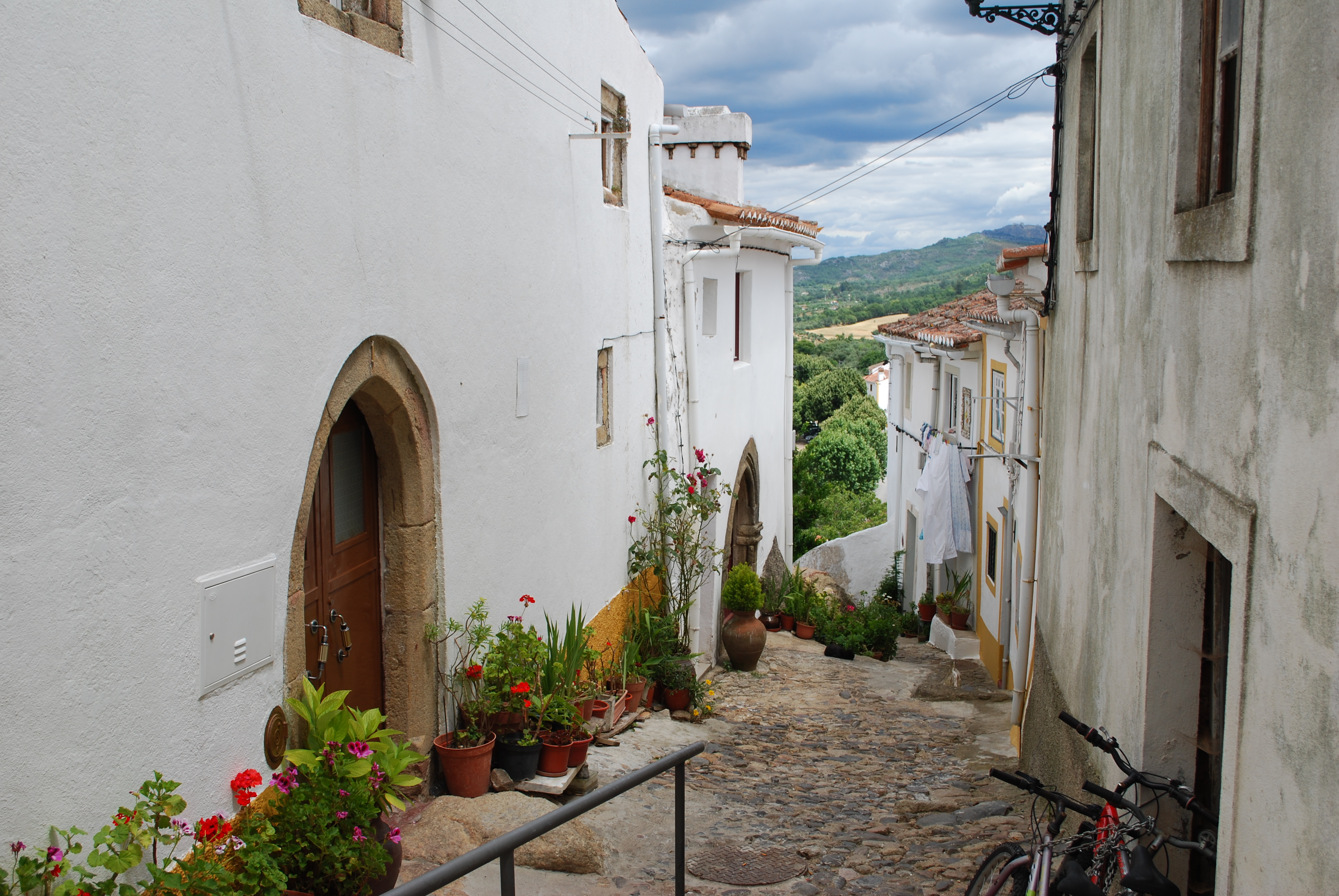
  5. Considered the best-preserved Jewish quarter ensemble in Portugal: ogival doorways, cobbled lanes, and the 14th-century Synagogue.

    Jewish presence is documented from the 14th century: King Pedro I granted land to Master Lourenço, his physician, believed to be Jewish.

    After the 1492 expulsion edict in Spain, roughly 4,000 Jewish refugees settled here, and the Judiaria reached its peak in the 15th century.

    It is considered the best-preserved Jewish quarter ensemble in Portugal: ogival doorways, cobbled lanes, and the old Synagogue building (14th c.), one of only two surviving medieval synagogues in Portugal — the other in Tomar.

    Used secretly by New Christians after 1496, the Synagogue was restored in the 20th century, uncovering the tebah (ark platform) and mezuzah marks; the tabernacle was rediscovered in 1972. It is now a museum.

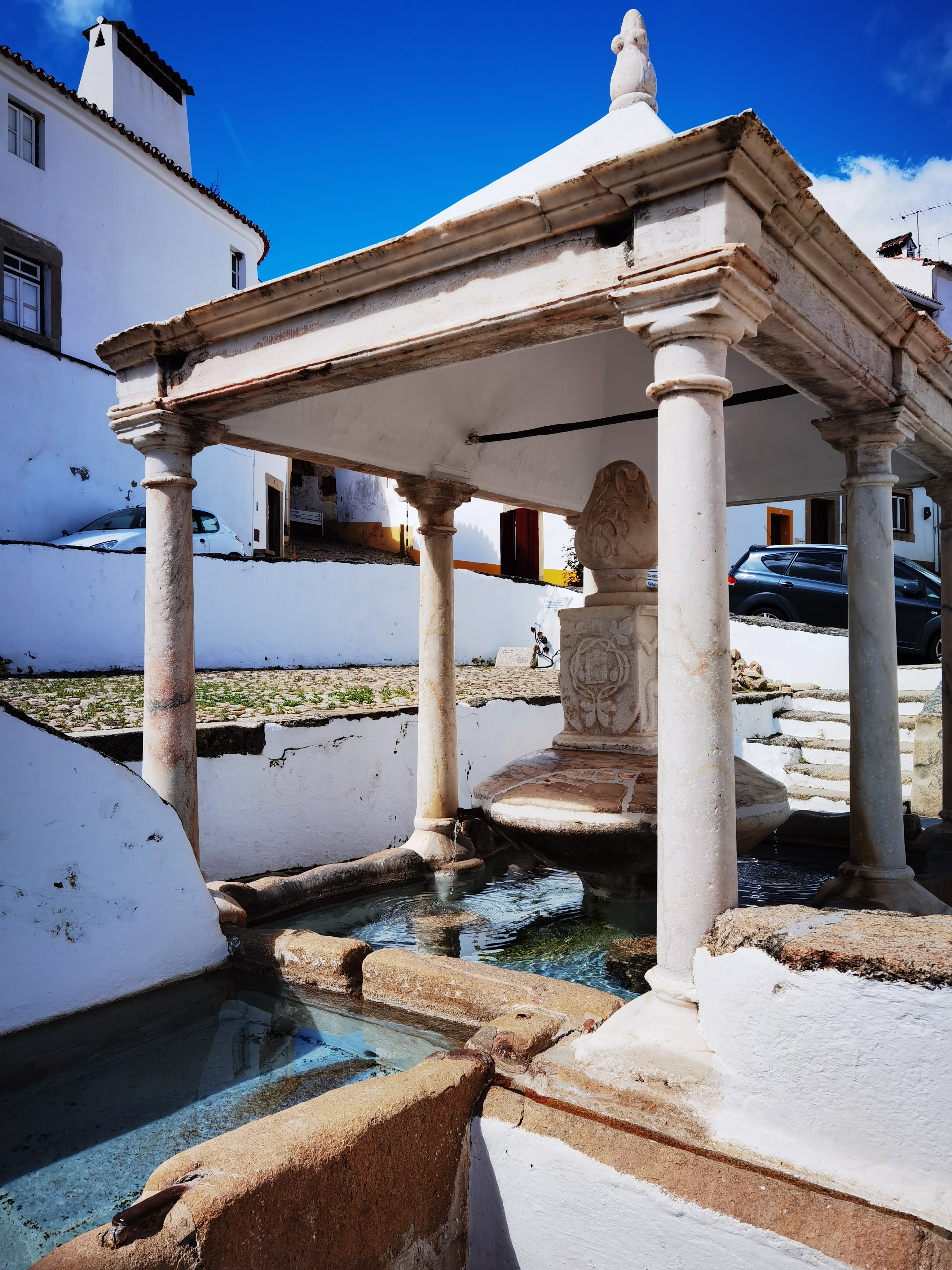
    The Fonte da Vila fountain (16th c., reign of King João III, a National Monument of Public Interest since 1953) stood at the heart of the Judiaria and was a rare daily meeting point between Jews and Christians.

    Visitable today

    • The synagogue-museum, with the tebah and mezuzah marks.
    • The still-inhabited streets of the Judiaria.
    • Fonte da Vila, at the heart of the quarter.
    Open era page
  6. 06

    1640 – 1668

    Frontier and Fortification

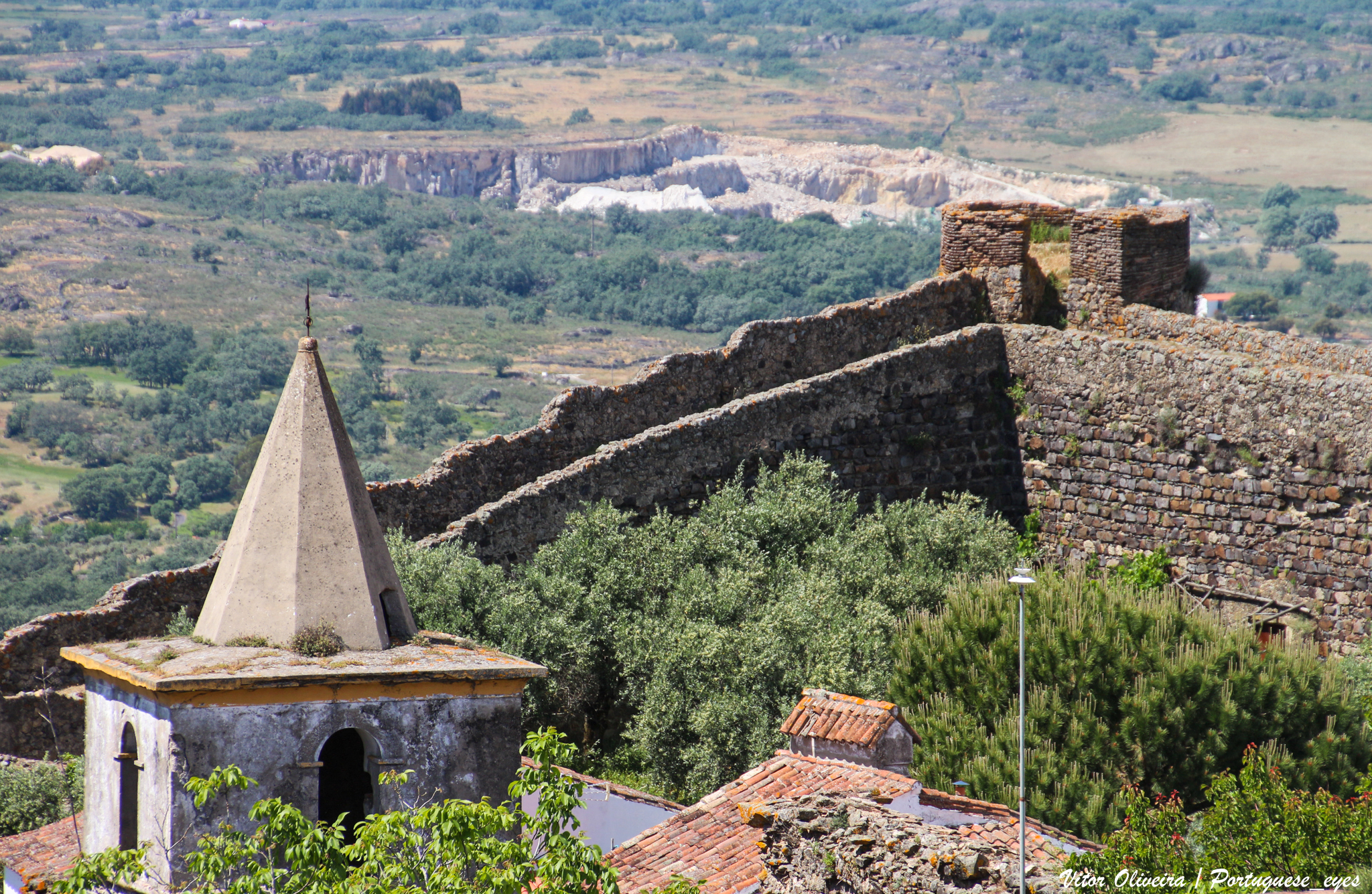
    The walls of Castelo de Vide
    Photo: Vitor OliveiraCC BY-SA 2.0 — Wikimedia Commons

    The Portuguese Restoration War triggered a long campaign of fortification works, with military engineers introducing French and English bastioned innovations.

    The Portuguese Restoration War against Spain triggered a long campaign of fortification works from 1641 onward.

    Military engineers introduced French and English bastioned-fortification innovations, giving the frontier a new military depth.

    The 1512 Manueline charter had already reorganized town administration; now it was the town's defence that was rethought.

    Visitable today

    • Stretches of the bastioned wall.
    • Part of the roughly 2.5 km wall circuit around the historic core.
    Open era page
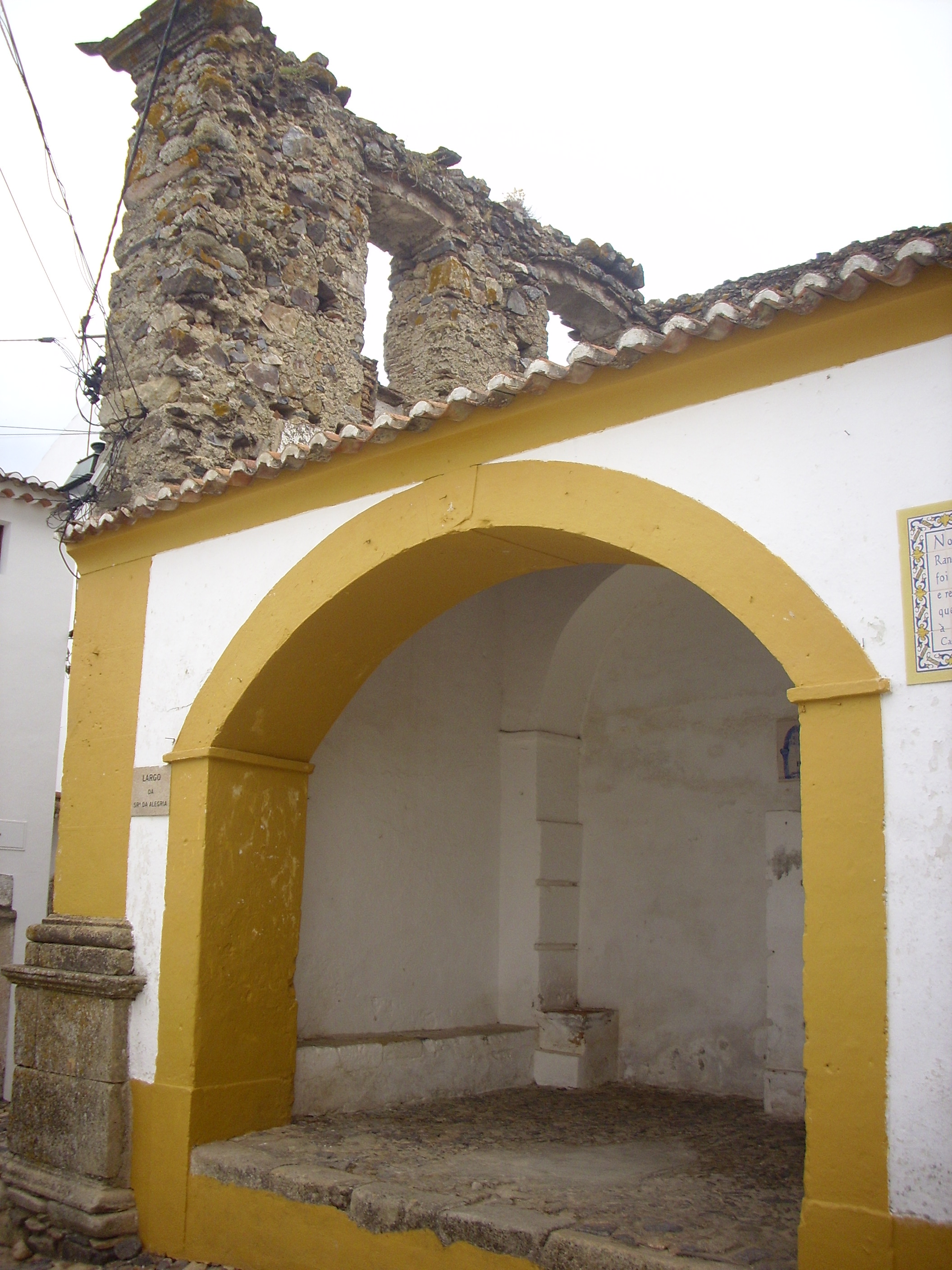
  7. From the Capela de São Roque tucked into a street crossing to the parish church of Santa Maria da Devesa, whose dedication is unique in Portugal.

    Capela de São Roque (15th c., rebuilt in the 18th c.) is tucked into a street crossing in the historic core.

    Igreja de Nossa Senhora da Alegria (1638), with period tilework, stands beside the castle; its adjoining convent was begun in the early 18th century and never finished.

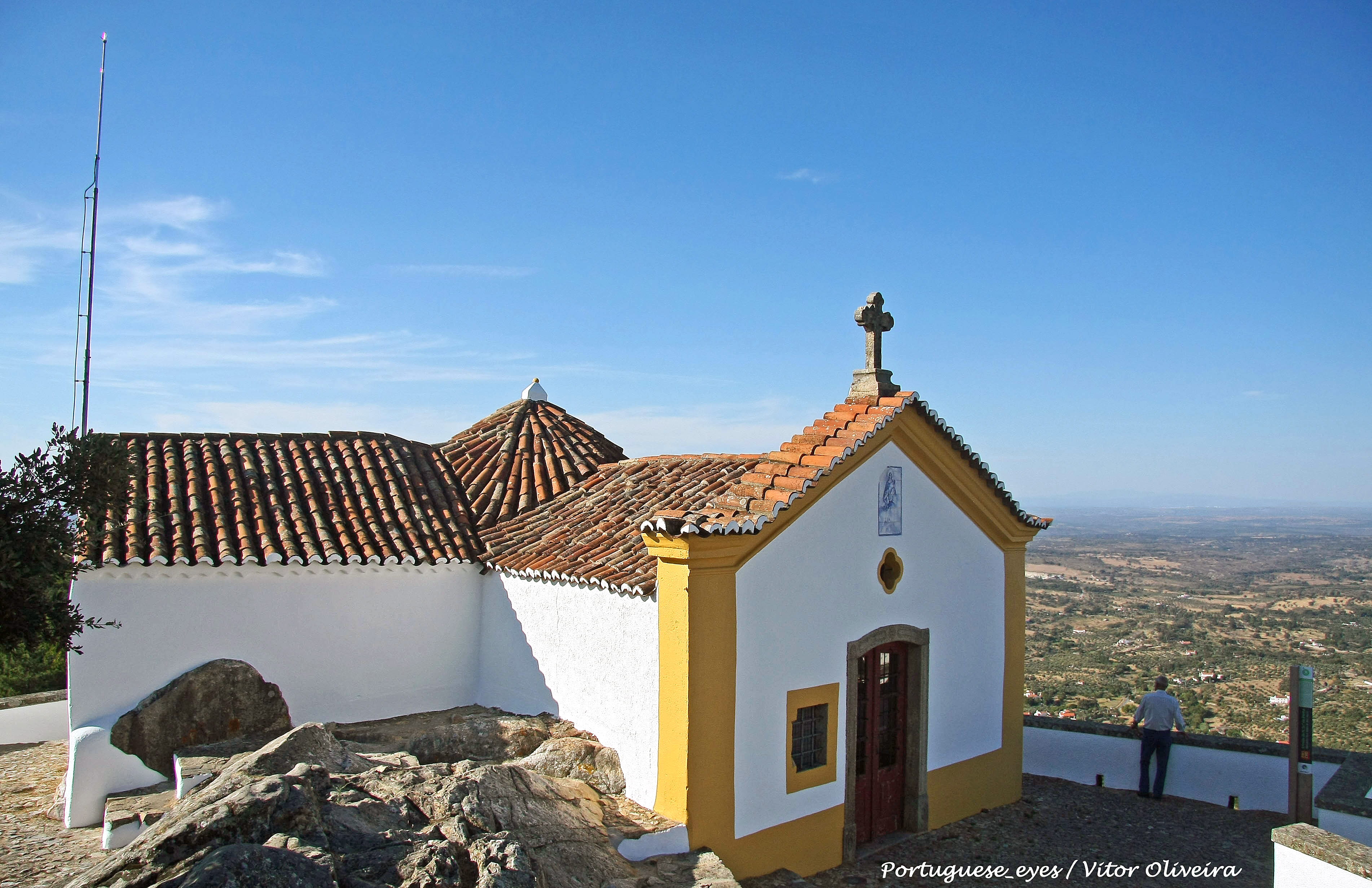
    Ermida de Nossa Senhora da Penha (16th c.) crowns Serra de São Paulo, a hilltop viewpoint over the town.

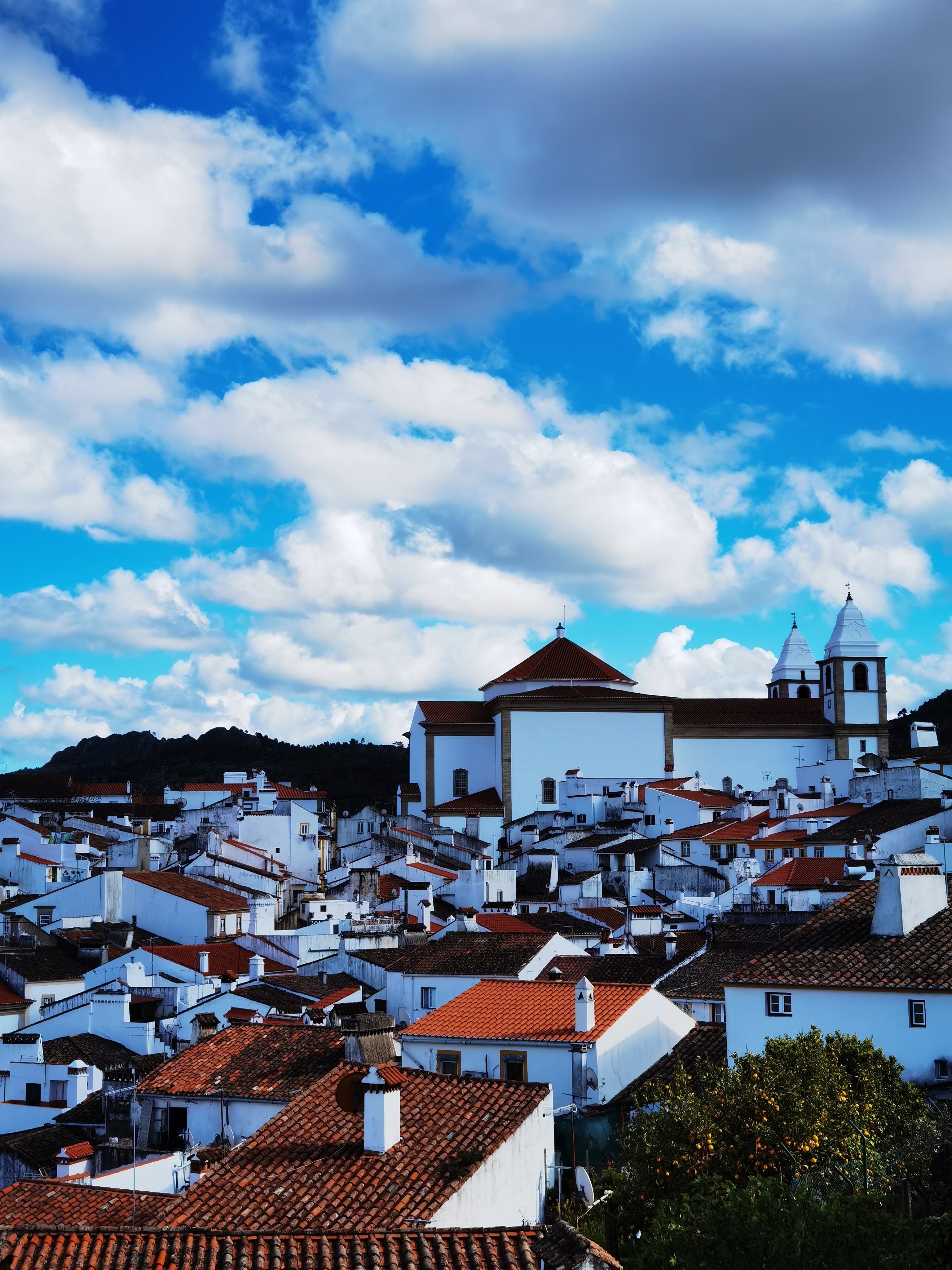
    The parish church, Igreja de Santa Maria da Devesa, was begun in 1789 over a chapel founded in 1311 by Lourenço Pires and completed around 1873 — its dedication is unique in Portugal.

    Two ruined hermitages also survive in the municipality: Senhora das Virtudes and São Silvestre.

    Visitable today

    • All of these remain in active religious or community use.
    • Ermida da Penha, which doubles as a viewpoint over town and hills.
    Open era page
  8. 08

    1706 – 1990s

    Waters, Spa, and the 20th Century

    The former thermal baths of Castelo de Vide
    Photo: Jose.CardosooCC BY-SA 4.0 — Wikimedia Commons

    The therapeutic properties of the waters were only scientifically recognized in 1918. In 1940, a thermal bathhouse began to rise 20 metres from Fonte da Vila.

    The first written reference to the waters of Fonte da Vila dates to 1706.

    Their therapeutic properties were only scientifically recognized in 1918, when the chemist Charles Lepierre classified them as mesosaline, sodium-chloride, sulpho-carbonated waters.

    In 1940, construction began on a thermal bathhouse just 20 metres from Fonte da Vila, diverting its flow. The building, typical of Estado Novo architecture, was completed in 1942 and operated until the early 1990s.

    Near the Fonte da Mealhada, the Vitalis mineral water is bottled — still sold nationally today.

    Spa tourism drove a new economic and social cycle in the town from the mid-20th century onward.

    Visitable today

    • The former thermal bathhouse building.
    • The still-flowing fountains, among them Fonte da Vila and Fonte da Mealhada.
    Open era page
  9. A living town inside the Serra de São Mamede Natural Park, known as “the Sintra of the Alentejo”.

    Castelo de Vide today is a living town inside the Serra de São Mamede Natural Park, known as “the Sintra of the Alentejo”.

    The Judiaria is still inhabited; the castle, synagogue, and old bathhouse are now visitable or museum spaces.

    A network of hiking trails — GR41, PR1, PR3, PR5 — links the built heritage to the surrounding hills.

    It is also a natural gateway to the wider cross-border region, with Marvão and Ammaia close at hand.

    Visitable today

    • The inhabited historic core, on foot.
    • Castle, synagogue-museum, and the old bathhouse.
    • The GR41, PR1, PR3, and PR5 walking trails.
    Open era page